Lighting is one of the most important considerations in your home. It sets the scene for experiences and emotional responses. When done incorrectly it can lead to eye-strain, fatigue, headaches and stress. When done correctly it can facilitate daily tasks, highlight architectural features in your home, expand spaces or create an intimate environment. There are 3 main types of lighting that should be considered in every environment – Ambient, Task and Accent. Lets break down these layers and show you some of our favorite examples of how to accomplish them in your home.
GENERALLY SPEAKING
Ambient Lighting is commonly referred to as general lighting. As the base layer of lighting it provides a blanket of overall illumination in a space, and is essential to any lighting plan. Its main function is to provide adequate lighting for visibility and safety to navigate throughout an area. In some cases it serves as the only light source, such as a laundry room or closet. Examples include recessed and track lighting, wall sconces and chandeliers.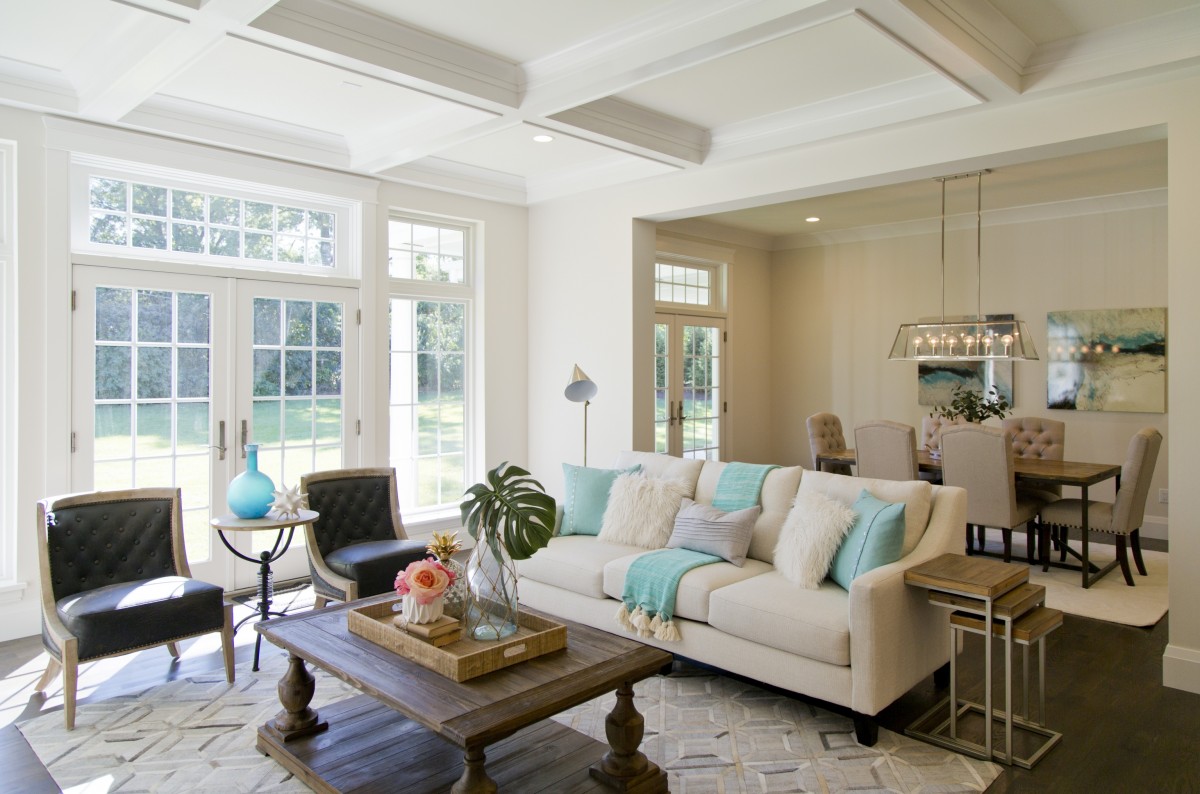
THE TASK AT HAND
Task Lighting is a smaller, more concentrated light used to illuminate specific areas where a more intensive and directed light source is required. Island pendants, undercabinet lighting and a well placed desk lamp are the most common applications of task lighting. 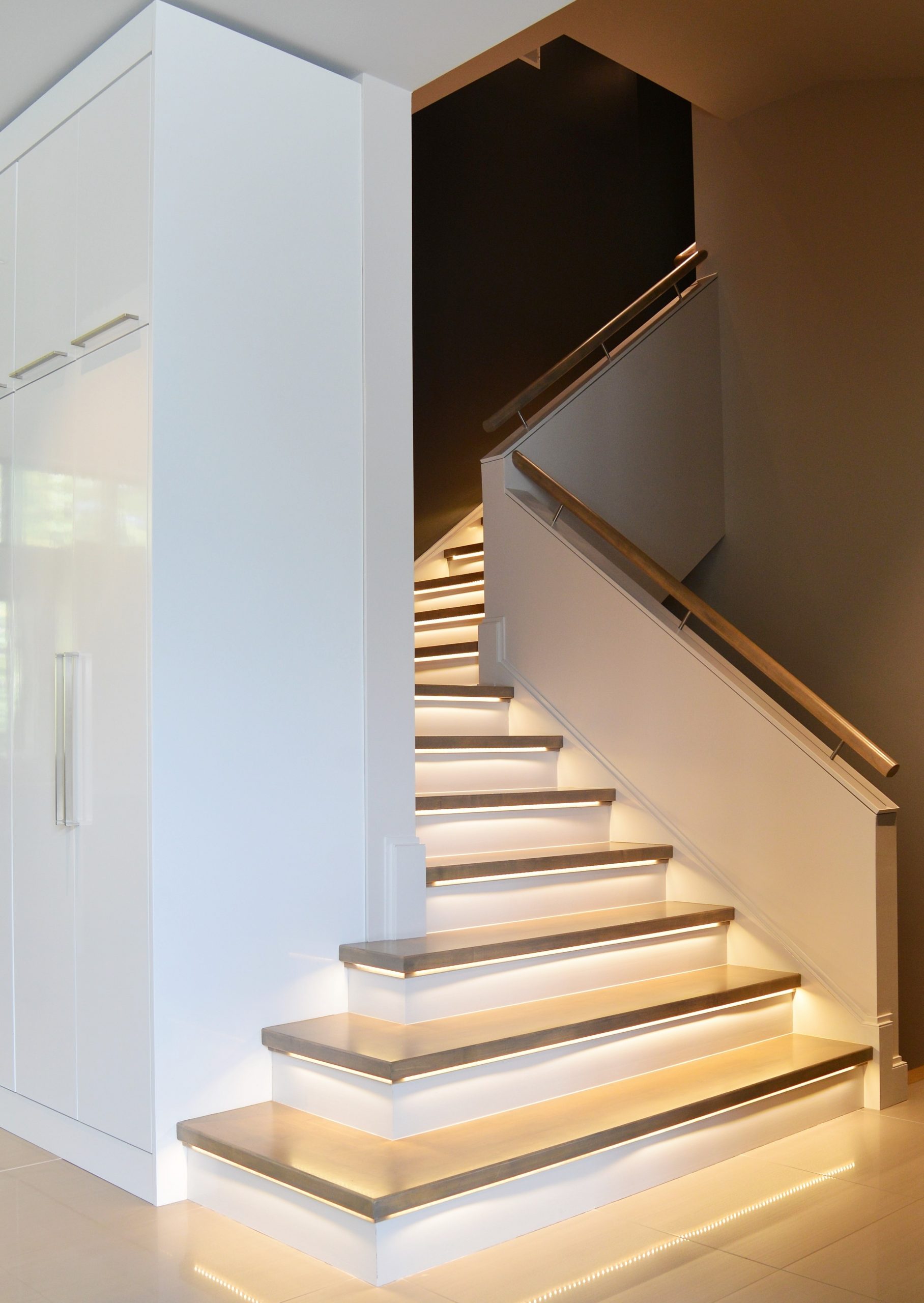
ACCENTUATE THE POSITIVES
Accent Lighting is used to highlight a specific object. It evokes feelings of meaning, creates drama and conveys importance of the object it illuminates. Most commonly it washes light over artwork and sculptures, bookcase displays and highlights architectural features in a home.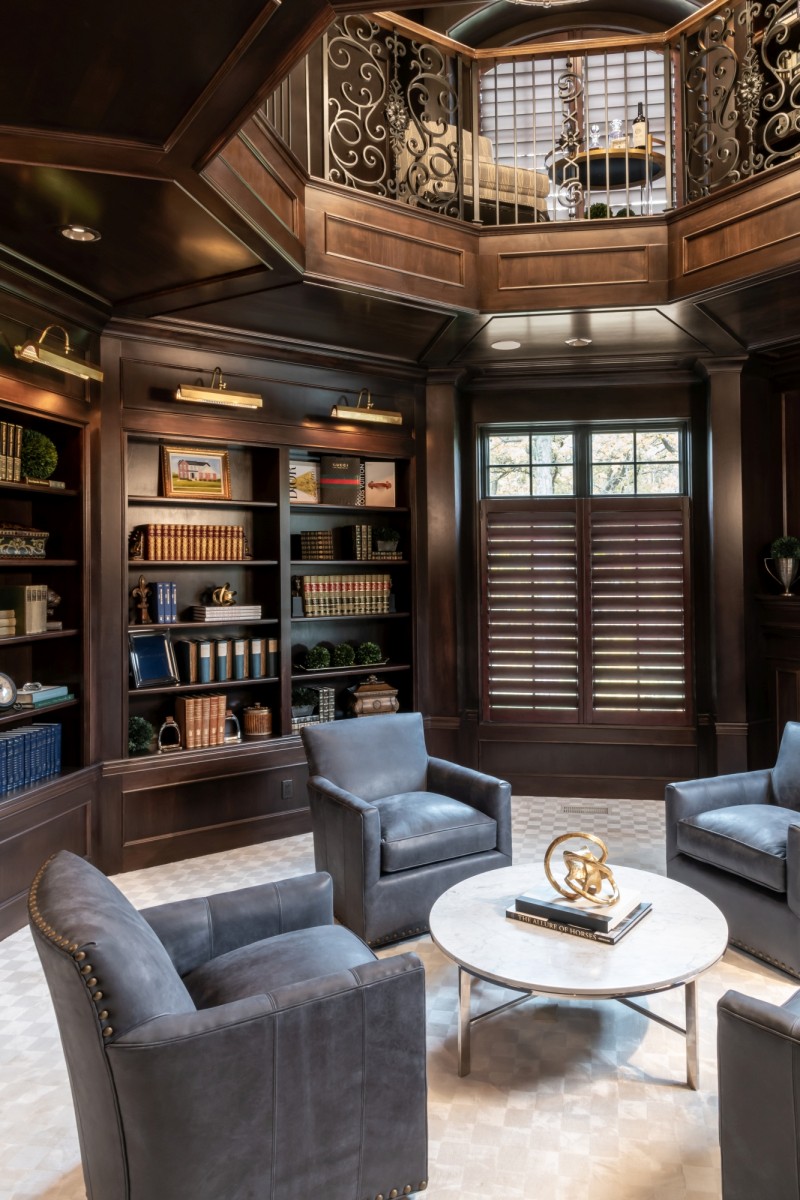
Hopefully this will shed some light on one of the most commonly overlooked aspect of interiors. We would love to see how you have incorporated lighting in your own spaces. Feel free to share!
 I don’t know about you but I am currently loving the resurgence of this tropical trend in decor and accessories. And its a good thing because I can’t open a magazine or my Instagram feed without being overwhelmed with designs or accessories embracing this element.
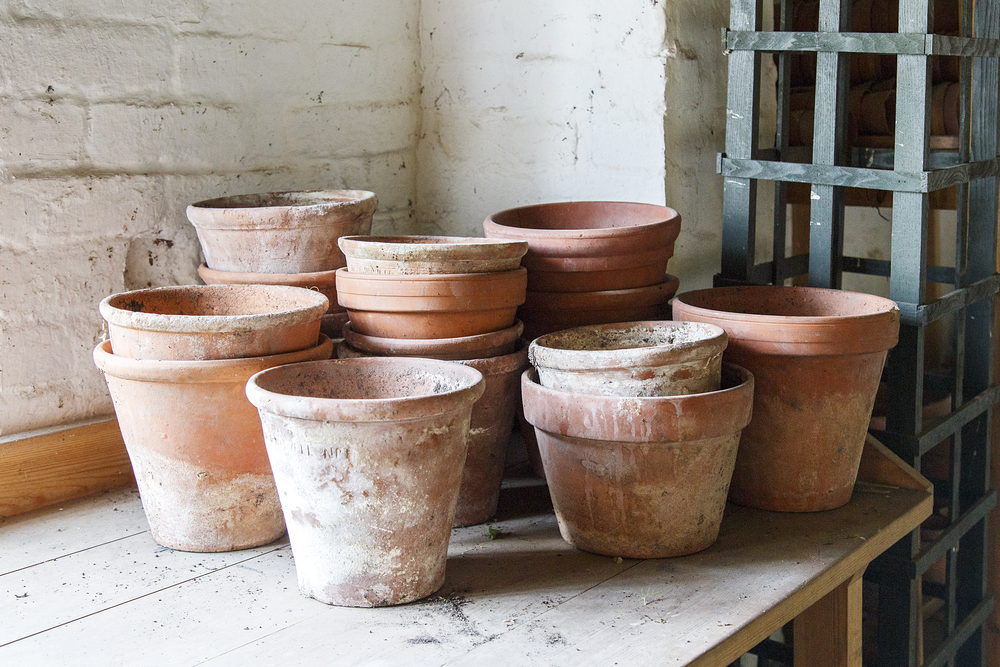 Incorporating the earth element into your space is said to bring about peace, stability and protection to you and your relationships. Decorating with square shapes and layering tones of beige, sandy and pale yellow tones are a simple way to introduce the earth element. Terracotta pots and stone sculptures also add a nice touch.
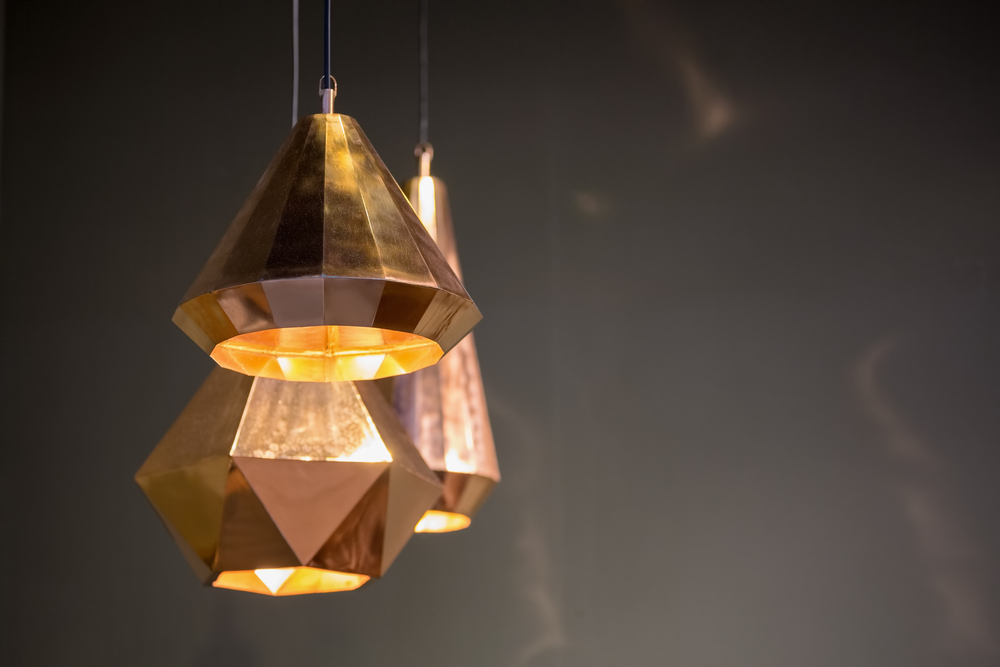 An energetic metal element helps facilitate focus, precision and a strong sense of clarity. Metal is the easiest element to introduce regardless of your particular design style. Picture frames, decorative metal accents, round shapes and the use of metallics, grays and whites are expressive of this element.
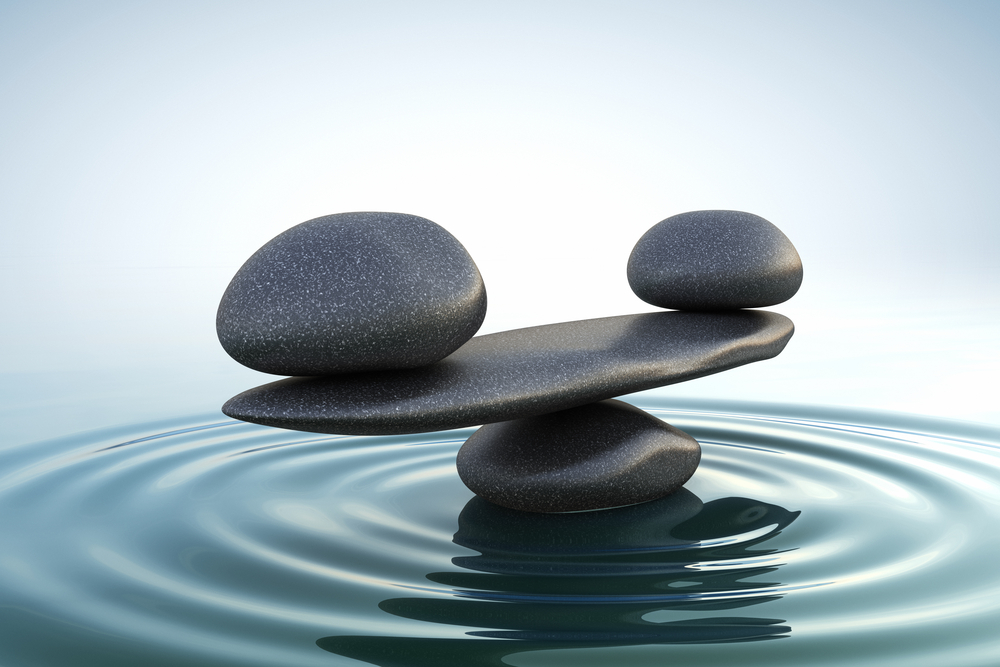 The water element creates a positive sense of calm, purity and relaxation to any space. Mirrors are the most common expression of water in decor. Accessories and textiles with shades of blue and black will also bring this element in to your space.
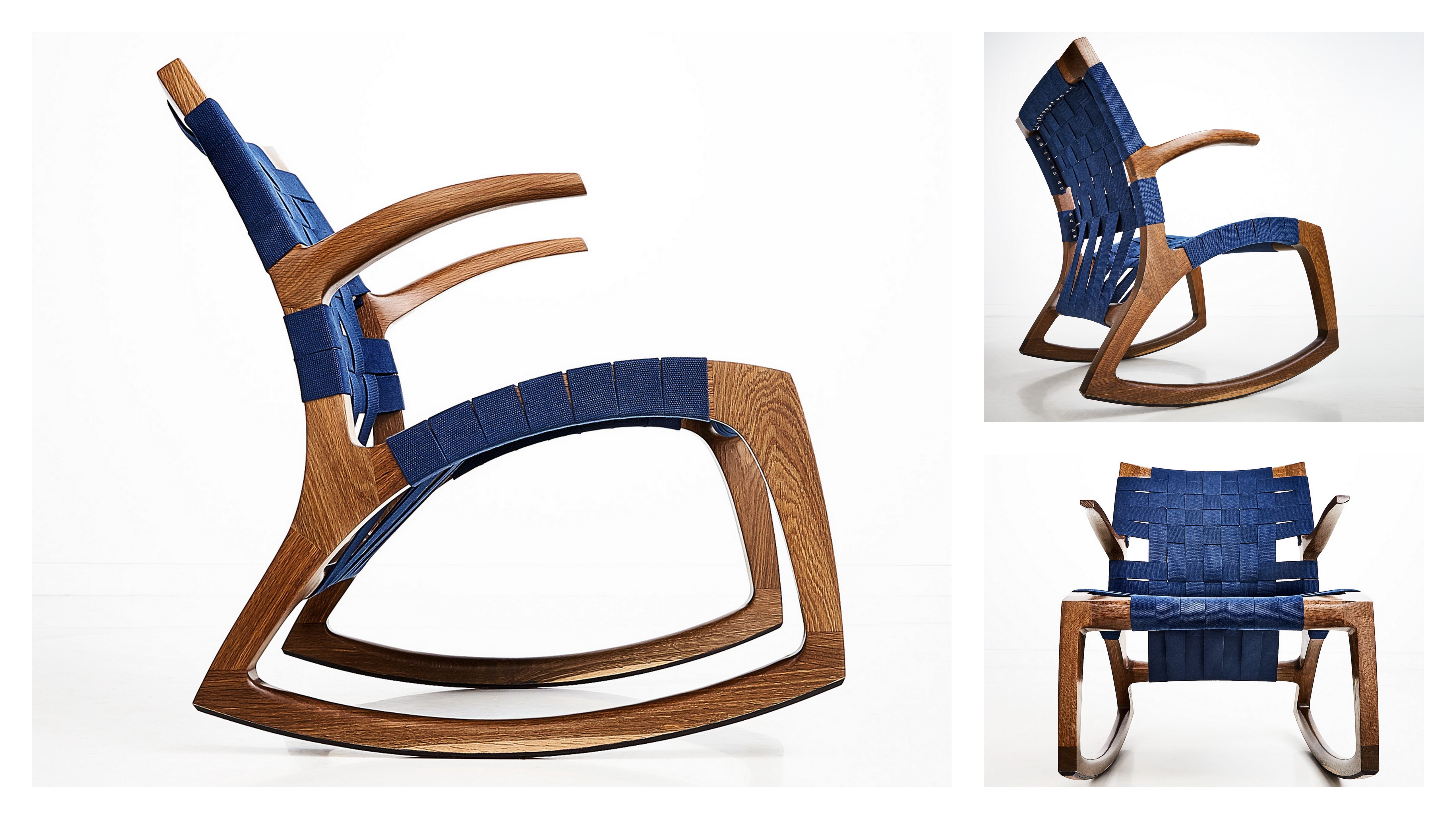
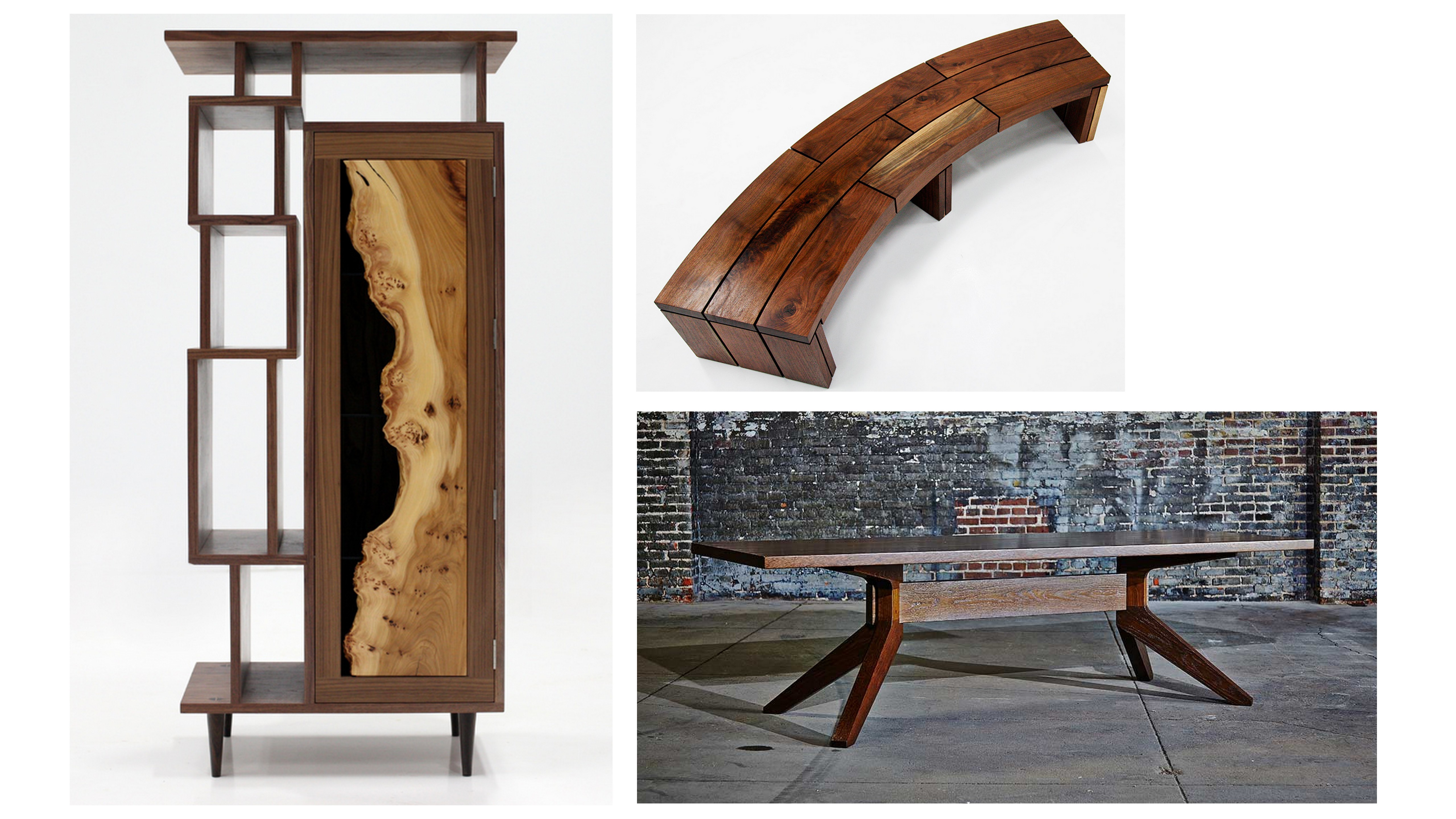
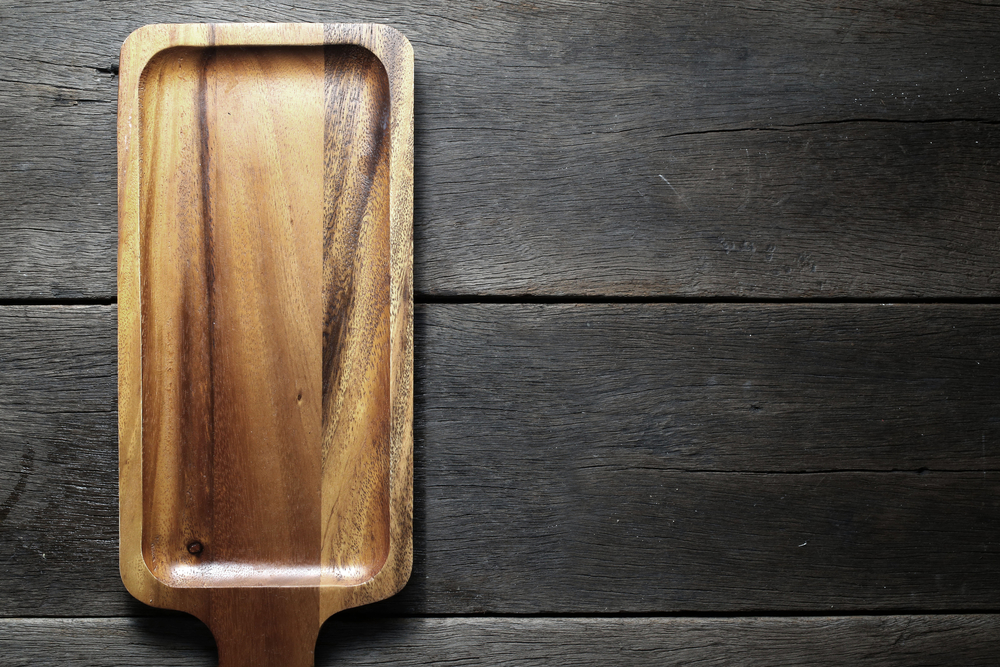 Wood is considered to be a healing element that brings about vibrancy in health & growth and decisiveness in action. Consider floating wood shelves, branches mixed in with your florals or adding a houseplant. Rectangular shapes and decorating with greens and browns will also give this element presence.
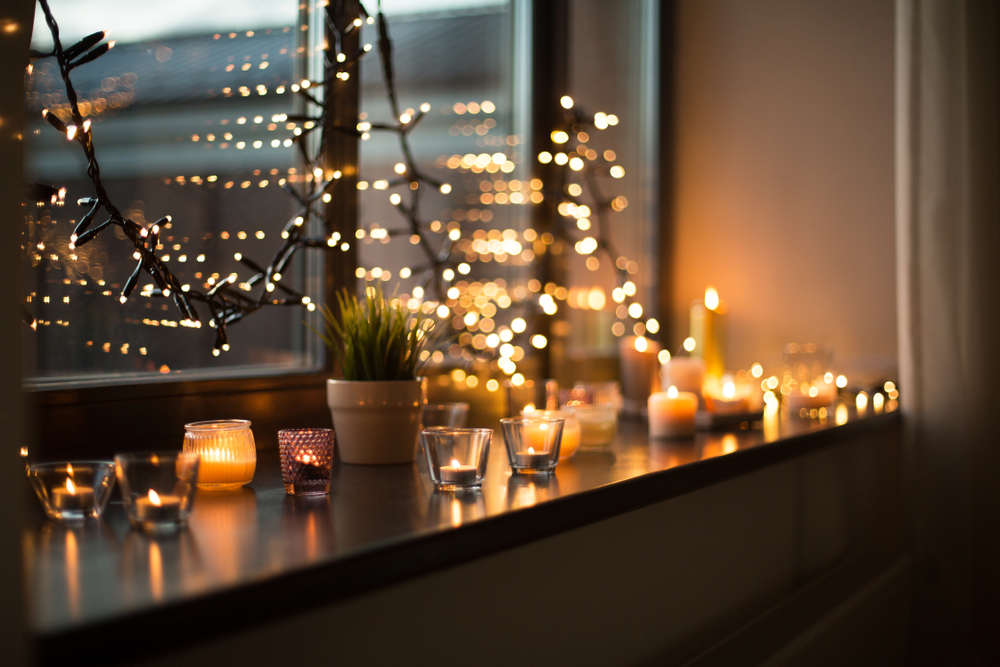 The fire element, when balanced correctly, will bring activity and energy to your life and your career. Fire is best used in moderation. Misuse of this element will cause over stimulation and a sense of anxiety. Fireplaces and candles are the obvious way to introduce the fire element. Triangle shaped decor and well placed accents in bold reds, oranges, yellows, pinks and purples are also indicative of fire.